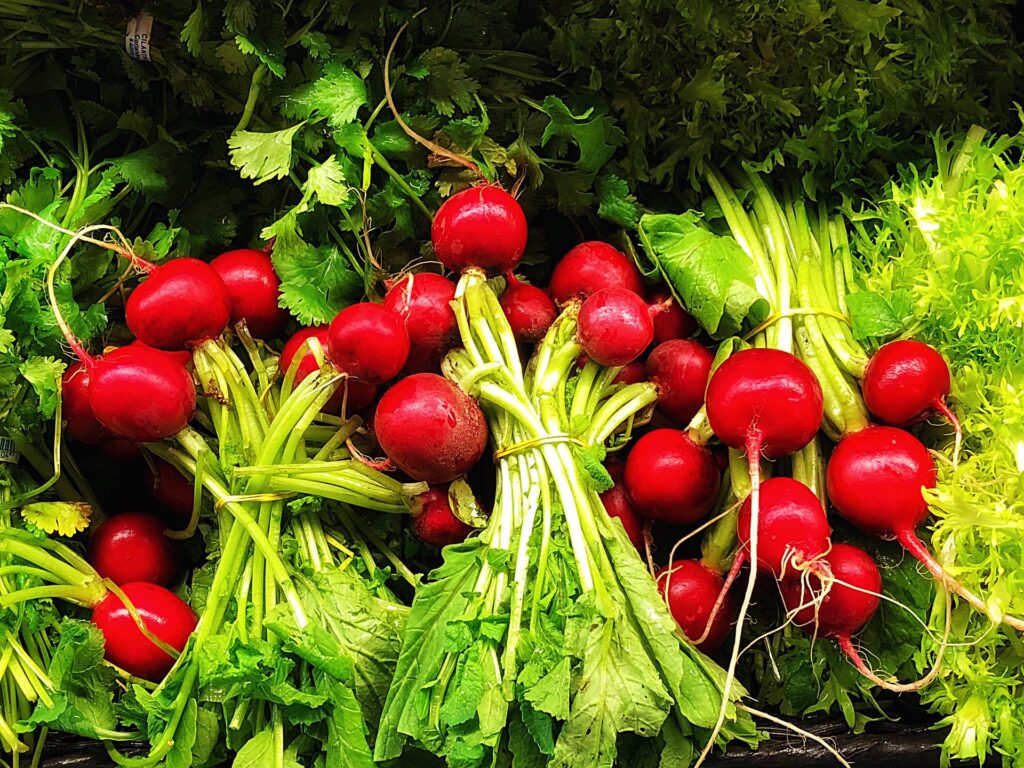
Organic regenerative farming is not only good for the environment, but also for the food we eat. By prioritizing soil health, biodiversity, and ecosystem services, organic regenerative farmers can produce food that is not only healthier and more nutritious, but also tastes better. Here are some of the ways that organic regenerative farming impacts your food:
Nutritional Value
Organic regenerative farming practices can improve the nutritional value of the food we eat. By using natural fertilizers and cover crops, organic regenerative farmers can increase the amount of nutrients in the soil, which in turn can be absorbed by the crops. Studies have shown that organic crops can contain higher levels of vitamins, minerals, and antioxidants than conventionally grown crops. This means that by choosing organic regenerative food, you can get more nutrients per bite.
Taste
Another important benefit of organic regenerative farming is the taste of the food. Because organic regenerative farmers prioritize soil health, they can produce crops that are more flavorful and have a better texture. This is because healthy soil is teeming with beneficial microorganisms that help break down organic matter and release nutrients to the plants. In addition, organic regenerative farmers often grow a wider variety of crops, which can offer a more diverse and interesting flavor profile.
Safety
Organic regenerative farming also offers a safer option for food production. Conventional agriculture often relies heavily on synthetic pesticides and herbicides, which can leave harmful residues on the food we eat. Organic regenerative farming, on the other hand, uses natural pest control methods and avoids the use of synthetic chemicals. This means that organic regenerative food is less likely to contain harmful residues or toxins.
Conclusion
Organic regenerative farming is a great option for those who want to eat food that is not only healthier and more nutritious, but also tastes better and is safer for the environment. By prioritizing soil health, biodiversity, and ecosystem services, organic regenerative farmers can produce food that is good for the planet and good for us. So next time you’re at the grocery store or farmers’ market, consider choosing organic regenerative food to support a more sustainable and delicious food system.